
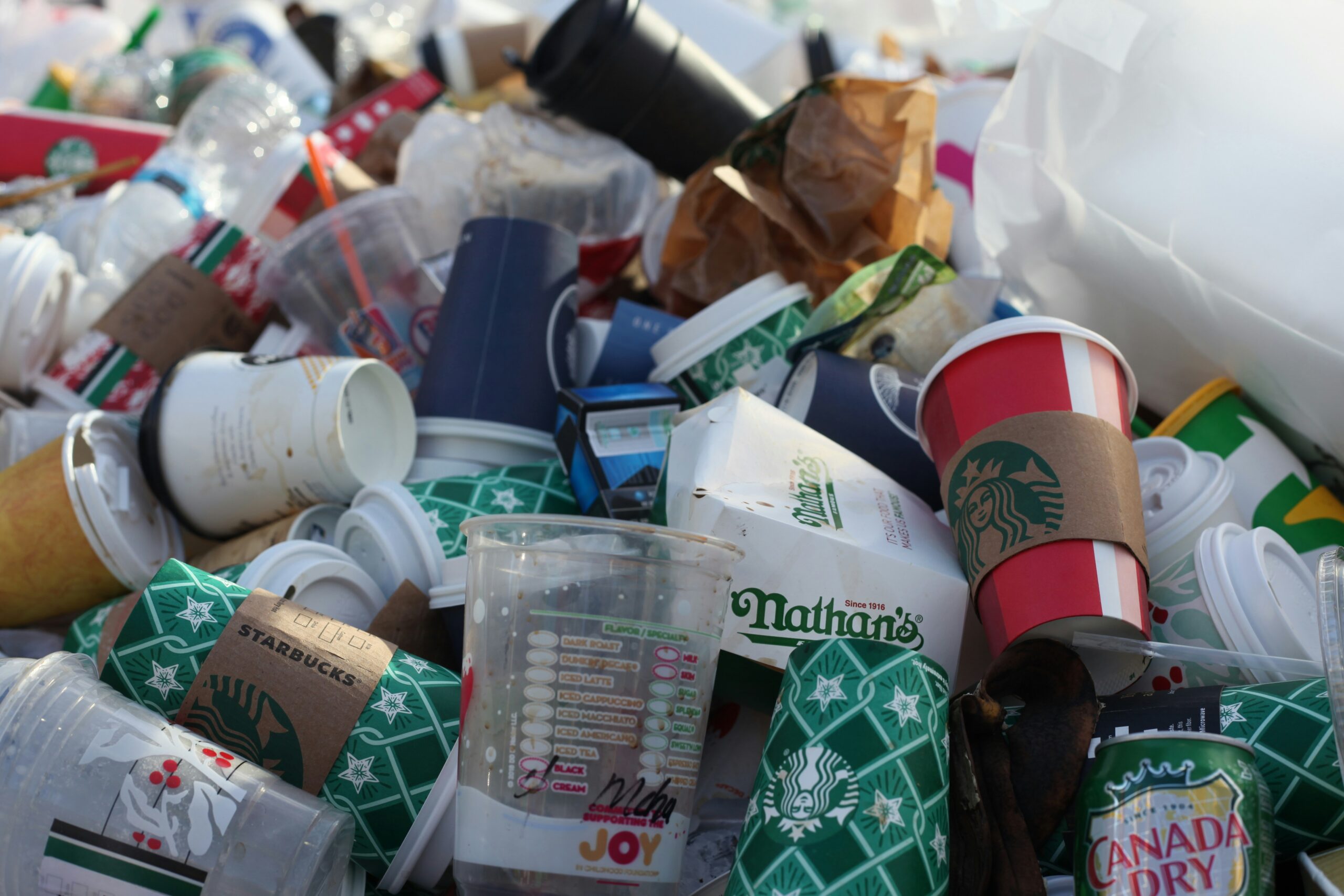
Picture this: You’ve just finished your morning coffee, dutifully rinsed your plastic K-cup, and tossed it in the recycling bin with a small sense of environmental accomplishment. But here’s the reality check that might surprise you—only 9% of all plastic ever produced has actually been recycled. That K-cup? It’s likely heading to a landfill, not a second life.
As we dive into Plastic Free July, it’s time to flip the script on how we think about plastic waste. The solution isn’t just better recycling—it’s stepping back further in the waste hierarchy and embracing the true power of avoid, reduce, and reuse.
The Recycling Myth We Need to Bust
Before we can move forward, we need to address the elephant in the room: recycling plastic isn’t the environmental silver bullet we’ve been led to believe.
The Numbers Game That familiar triangular symbol with a number inside? It’s not a recycling promise—it’s just identifying the type of plastic. Numbers 3, 4, 6, and 7 are rarely accepted by municipal programs, and even the “good” plastics (1, 2, and 5) face significant hurdles.
The Contamination Problem Ever thrown a yogurt container in the recycling without thoroughly cleaning it? That seemingly innocent choice can contaminate entire batches of otherwise recyclable materials. Recycling facilities often operate on such tight margins that a small percentage of contamination can make the entire load financially unviable.
The Economics Reality Here’s the uncomfortable truth: making new plastic is often cheaper than recycling old plastic. Oil prices, transportation costs, and the labor-intensive sorting process mean that recycled plastic frequently can’t compete with virgin materials on price alone.
The Downcycling Dilemma Unlike glass or aluminum, which can be recycled infinitely without losing quality, plastic degrades each time it’s processed. That water bottle might become a park bench, but that park bench will never become another water bottle. It’s a one-way ticket to eventual disposal.
Reframing Success: The Hierarchy That Actually Works
The most effective approach to plastic waste follows a clear hierarchy, and recycling sits at the bottom for a reason. Let’s explore why the order matters and how to implement each step.
AVOID: The Most Powerful Choice You Can Make
Avoiding plastic at the source has exponentially more impact than any downstream solution. When you refuse a plastic item, you’re preventing all the environmental costs that went into its production—the fossil fuel extraction, manufacturing energy, transportation, and eventual disposal.
Master the Art of Saying No:
- Decline plastic bags at checkout (even if you forget your reusable ones, carrying items loose is better)
- Refuse disposable utensils with takeout orders
- Skip the plastic straw, even if you forget to specify
- Choose experiences over physical gifts when possible
Question the Default: Before any purchase, ask yourself: “Do I actually need this, or am I just accustomed to having it?” That mindset shift alone can dramatically reduce your plastic footprint.
Service Over Stuff: Consider how many products you can replace with services—streaming instead of DVDs, digital subscriptions instead of magazines, tool libraries instead of ownership.
REDUCE: Smart Choices That Multiply Impact
When you can’t avoid plastic entirely, strategic reduction can still make a significant difference.
Think Concentration:
- Choose powder detergent over liquid (less packaging, more product)
- Buy concentrated cleaners that you dilute at home
- Opt for bar soap over liquid soap dispensers
- Select toothpaste tablets over traditional tubes
Embrace Bulk Buying:
- Use the bulk bins at grocery stores with your own containers
- Buy larger sizes to reduce packaging-per-unit ratios
- Stock up on non-perishables during sales to avoid repeated packaging
Choose Quality Over Quantity:
- Invest in durable items that last longer
- Buy fewer, better-made products that won’t need frequent replacement
- Consider the lifetime cost, not just the upfront price
REUSE: Creative Second Lives
Before anything hits the recycling bin, consider how it might serve another purpose in your life.
Container Creativity:
- Glass jars become food storage, herb planters, or craft organizers
- Plastic containers can hold screws, art supplies, or garage organization
- Cardboard boxes become drawer dividers or moving supplies for friends
Repair Culture:
- Learn basic mending skills for clothing and household items
- Find local repair cafes where volunteers help fix electronics and appliances
- Share tools and equipment with neighbors instead of everyone buying their own
Gift Differently:
- Wrap presents in reusable bags, scarves, or newspaper
- Give consumable gifts that don’t require packaging
- Create experience gifts that build memories, not clutter
Why This Order Matters: The Environmental Math
The hierarchy isn’t arbitrary—it’s based on environmental impact. Avoiding one plastic item prevents roughly 10 times more environmental damage than recycling ten plastic items. This is due to “embodied energy”—all the resources that went into making something before it even reaches your hands.
When you avoid a plastic water bottle, you’re preventing:
- Oil extraction and refining
- Manufacturing energy consumption
- Transportation emissions
- Packaging waste
- Water used in production
- End-of-life disposal costs
When you recycle that same bottle, you’re only addressing the final step of its lifecycle, and even then, imperfectly.
Your Plastic Free July Action Plan
Ready to put this hierarchy into practice? Here’s a realistic monthly progression:
Week 1: Master the Avoid Focus on refusing single-use items. Carry a reusable water bottle, utensil set, and shopping bag. Practice saying “no thank you” to plastic freebies.
Week 2: Strategic Reduction Audit your regular purchases. Switch to concentrated products, choose bulk options, and invest in one quality item to replace multiple disposable versions.
Week 3: Reuse Revolution Before throwing anything away, spend 30 seconds considering alternative uses. Start a designated “reuse box” for containers and materials that might serve other purposes.
Week 4: System Integration Combine all three approaches into sustainable habits. Plan shopping trips around package-free options, establish repair and reuse routines, and share your strategies with others.
The Bigger Picture
Plastic Free July isn’t about achieving perfection—it’s about shifting our relationship with disposable culture. Every time you choose to avoid, reduce, or reuse instead of defaulting to recycling, you’re voting for a different kind of economy. One that values durability over disposability, creativity over consumption, and prevention over cleanup.
The recycling bin will always be there as a last resort, but the real environmental wins happen long before we need it. This July, let’s focus our energy where it matters most—on the choices we make before plastic ever enters our lives.
What’s your biggest plastic challenge this month? Share your avoid, reduce, reuse wins in the comments and inspire others to rethink their relationship with disposable culture.