Palm Springs
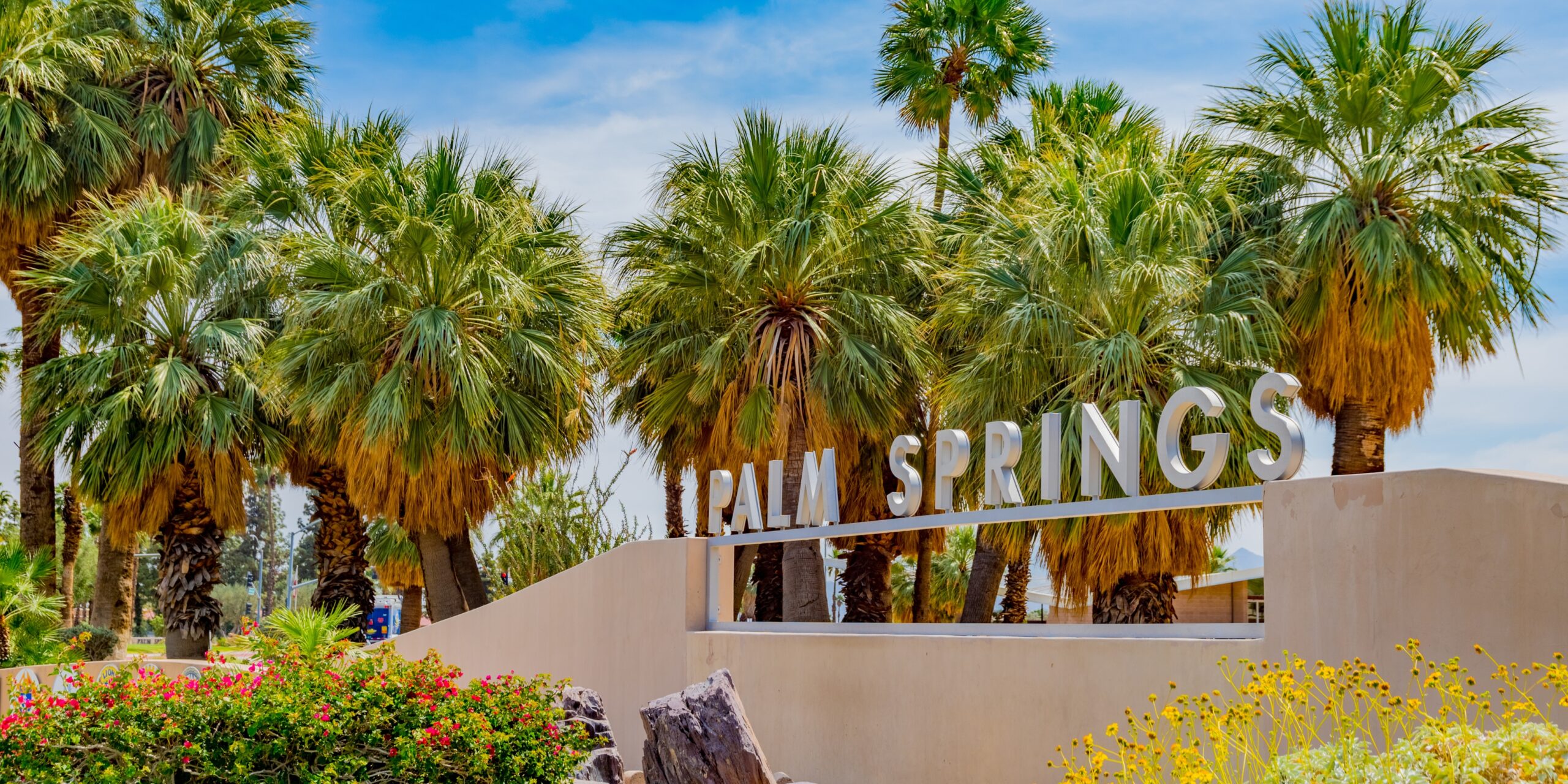
Palm Springs has a dedicated Sustainability and Recycling Department, making it one of the few desert cities with a dedicated sustainability office. The Climate Action Roadmap 2021 serves as an initial step in developing more detailed climate goals and strategies, which will be incorporated into a future iteration of the City’s Sustainability Plan.
The city is committed to advancing environmental initiatives and has set key sustainability goals, including:
- Reduce greenhouse gas emissions by at least 40% compared to 1990 levels by the end of 2030.
- Reduce greenhouse gas emissions by at least 80% compared to 1990 levels by the end of 2050.
- Achieve carbon neutrality for municipal emissions by 2030.
Palm Desert
In 2022, the City Council designated Environmental Initiatives as a key priority, leading to the development of the Environmental Initiatives Plan (EIP) to replace outdated sustainability plans. The EIP tracks city-wide sustainability projects and sets goals, including updating the City’s Greenhouse Gas (GHG) Inventory and potentially hiring a consultant to develop a formal environmental plan.
In 2024, the Coachella Valley Association of Governments (CVAG) began developing a regional Comprehensive Climate Action Plan (CCAP), which Palm Desert will benefit from. Once completed in mid-2025, the CCAP will provide an updated GHG inventory and climate action plan, aligning with EIP goals and increasing the City’s eligibility for grant funding.
View the Environmental Initiatives Plan here.
Rancho Mirage
Rancho Mirage does not have any climate policies and or a city commision dedicated to sustainability. The only reference we can currently find is to a sustainability program.
Indio
The city of Indio has a Sustainability & Recycling Department that has published a Sustainability Plan (ca. 2022). The plan is structured around five primary sustainability goals, which serve as the framework for objectives, projects, and outreach. These five sustainability goals are:
Clean Energy: Includes increasing solar use, updating greenhouse gas inventories, and exploring renewable options
Low Greenhouse Gas Environment: Focuses on reducing emissions, expanding EV charging infrastructure, and enhancing energy efficiency
Zero Waste: Addresses organic waste diversion, recycling, composting, and circular economy strategies
Water Resources: Centers on conservation, efficiency standards, rebate programs, and drought response
Sustainable Environment, Land Use and Transportation: Looks at complete streets, bike lanes, zero-emission vehicles, urban agriculture, and land stewardship