Subscribe to our Substack
🌞 Mission & Vision
Sustainable Desert exists to help residents and visitors of the Desert Southwest live in deeper harmony with the desert—by sharing stories of the people and ecosystems shaping our region, making it easier to find sustainable resources, support local environmental efforts, and take meaningful climate action in their own community.
We envision a thriving, resilient desert where sustainability is woven into everyday life—from what we eat and wear to how we move, vote, and care for the land. By telling the stories of changemakers, highlighting desert ecosystems, connecting people to zero-waste shops, repair hubs, local farms, climate-friendly policies, and grassroots volunteer opportunities, we’re building a more just and regenerative future—right here in the heart of the desert.
The Desert Ecosystem
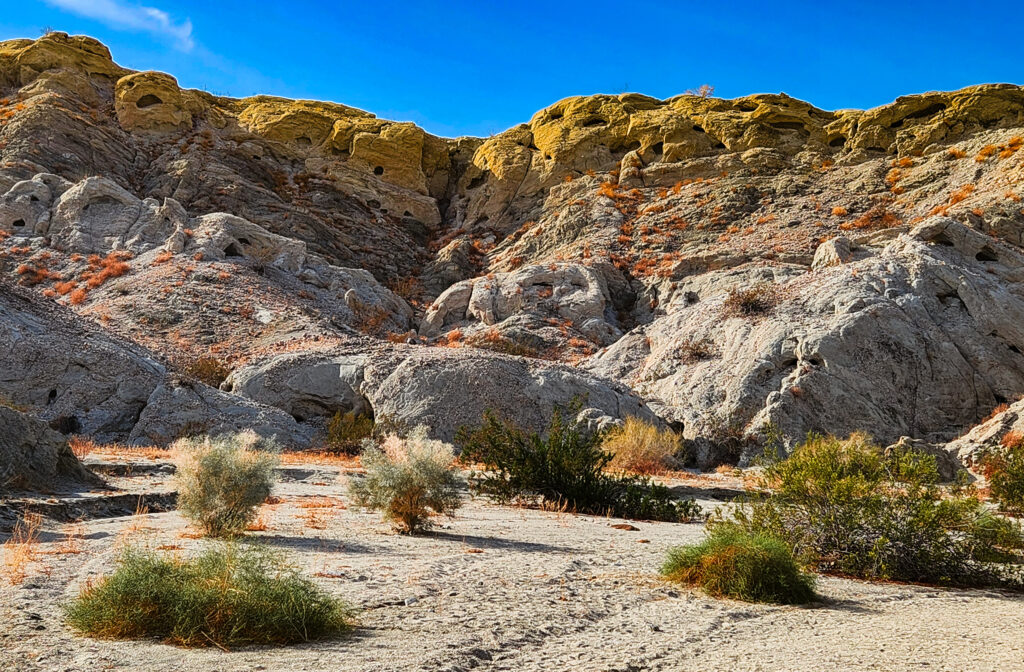
The desert region spanning from Death Valley National Park in the north to the U.S.–Mexico border in the south covers approximately 25 million acres—an area the size of Ohio. This vast landscape is home to North America’s hottest, driest, and lowest places, supporting thousands of desert-adapted species, rich human history, and opportunities for rural economic development. The region’s natural and cultural landscapes are vital to both the environment and society, offering ecological benefits and sustaining diverse communities. Key conservation areas include Death Valley National Park, Mojave National Preserve, Castle Mountains National Monument, Joshua Tree National Park, Anza-Borrego Desert State Park, and the Santa Rosa and San Jacinto Mountains National Monument. Beyond these protected lands, the region also encompasses working lands, military installations, tribal nations, and communities with a population of around one million residents. (Source)
Protecting the Desert
Assembly Bill 1183, known as the California Desert Conservation Act, establishes the California Desert Conservation Program to protect, restore, and manage the natural, cultural, and physical resources of the Mojave and Colorado Desert regions. It aims to preserve biodiversity, enhance climate resilience, improve air and water quality, and promote public enjoyment of conserved lands.
Impact of Climate Change
Deserts are often overlooked in climate change discussions, yet they are among the most vulnerable ecosystems. Rising temperatures and decreasing rainfall make deserts hotter and drier, leading to increased evaporation and shifts in plant life. While drought-tolerant species may adapt, others struggle to survive. With less vegetation to anchor the soil, dust storms become more frequent and intense, worsening air quality.